What is Sea Freight and What is Air Freight?
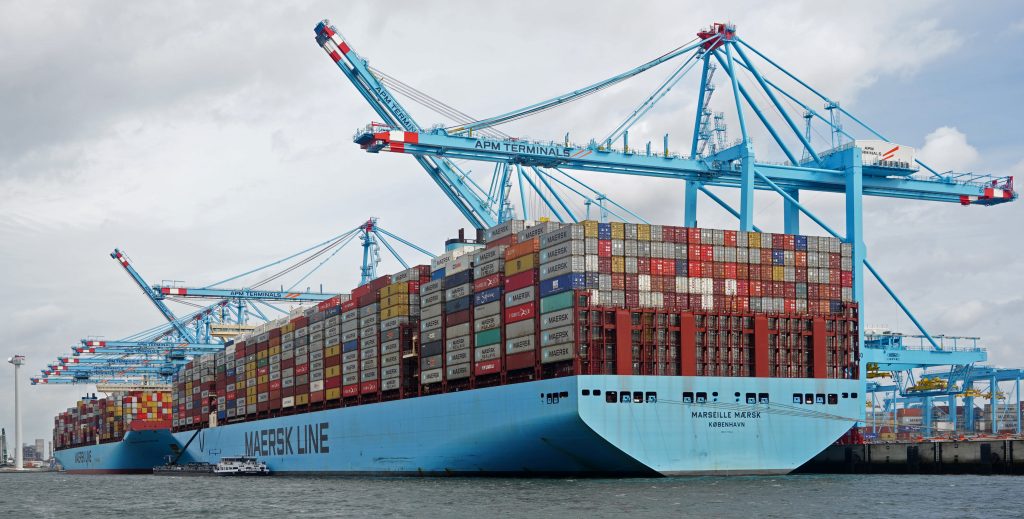
Sea freight (also called ocean freight) involves transporting goods via cargo ships across international waters. It is one of the most cost-effective methods for moving large volumes of goods globally.
✅ Advantages of Sea Freight
Lower shipping cost per kilogram
Ideal for bulk and heavy cargo
Suitable for large, oversized shipments
More environmentally friendly per ton-mile
Options like FCL (Full Container Load) and LCL (Less than Container Load)
❌ Disadvantages of Sea Freight
Longer transit times (2–8 weeks depending on destination)
Port congestion delays
More documentation requirements
Slower customs processing in some regions
Best for:
Large commercial imports
Heavy machinery
Non-urgent shipments
Bulk raw materials
What is Air Freight?
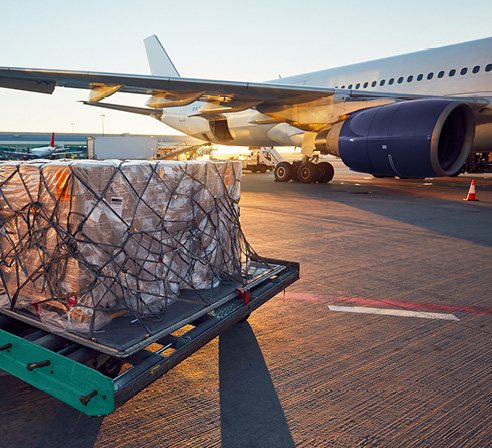
Air freight involves transporting goods via cargo aircraft. It is the fastest international shipping method available.
✅ Advantages of Air Freight
Fastest delivery option (1–7 days internationally)
More reliable schedules
Lower risk of cargo damage
Ideal for high-value goods
Simplified tracking systems
❌ Disadvantages of Air Freight
Higher shipping cost
Weight and size limitations
Less cost-effective for bulky goods
Best for:
Urgent shipments
Perishable goods
Medical supplies
Electronics and high-value cargo
E-commerce express delivery
Sea Freight vs Air Freight: Cost Comparison
One of the biggest deciding factors is shipping cost.
Sea freight cost per kg is significantly cheaper than air freight.
Air freight can cost 4–6 times more than sea freight depending on route and urgency.
Sea freight pricing depends on container size (20ft or 40ft containers).
Air freight pricing is based on chargeable weight (actual weight vs volumetric weight).
If your priority is reducing freight costs, sea freight is typically the better option.
Sea Freight vs Air Freight: Speed Comparison
Shipping Method
Average Transit Time
Best For
Sea Freight
2–8 weeks
Bulk & non-urgent goods
Air Freight
1–7 days
Urgent & high-value goods
If speed is critical for your business operations, air freight is the clear winner.
When Should You Choose Sea Freight?
Choose ocean freight shipping if:
You are shipping large volumes.
Your cargo is heavy or oversized.
You want to reduce international shipping costs.
Delivery time is flexible.
You are importing commercial goods in bulk.
When Should You Choose Air Freight?
Choose air cargo services if:
You need urgent international delivery.
Your goods are lightweight but valuable.
You are shipping perishable items.
You need faster customs clearance.
You operate an e-commerce business with tight deadlines.
Environmental Impact: Sea vs Air
Sustainability is becoming important in global logistics.
Sea freight produces lower carbon emissions per ton-mile.
Air freight has a higher carbon footprint due to jet fuel consumption.
For businesses focused on sustainable logistics practices, sea freight is often the greener option.
Final Decision: Which Is Better?
There is no “one-size-fits-all” answer.
Your ideal shipping method depends on:
Budget
Delivery deadline
Cargo type
Shipment size
Risk tolerance
Many companies combine both methods in a multimodal logistics strategy to balance cost and speed.